How to Prepare for Plasma CNC Cutting in Florence
Preparing for plasma CNC cutting means bringing clean, usable metal, accurate drawings or dimensions, and a clear finish goal. Lawhon Welding & Fabrication in Florence, SC explains what to gather before your job goes on the table.
Published
Part of our Plasma CNC Cutting service.
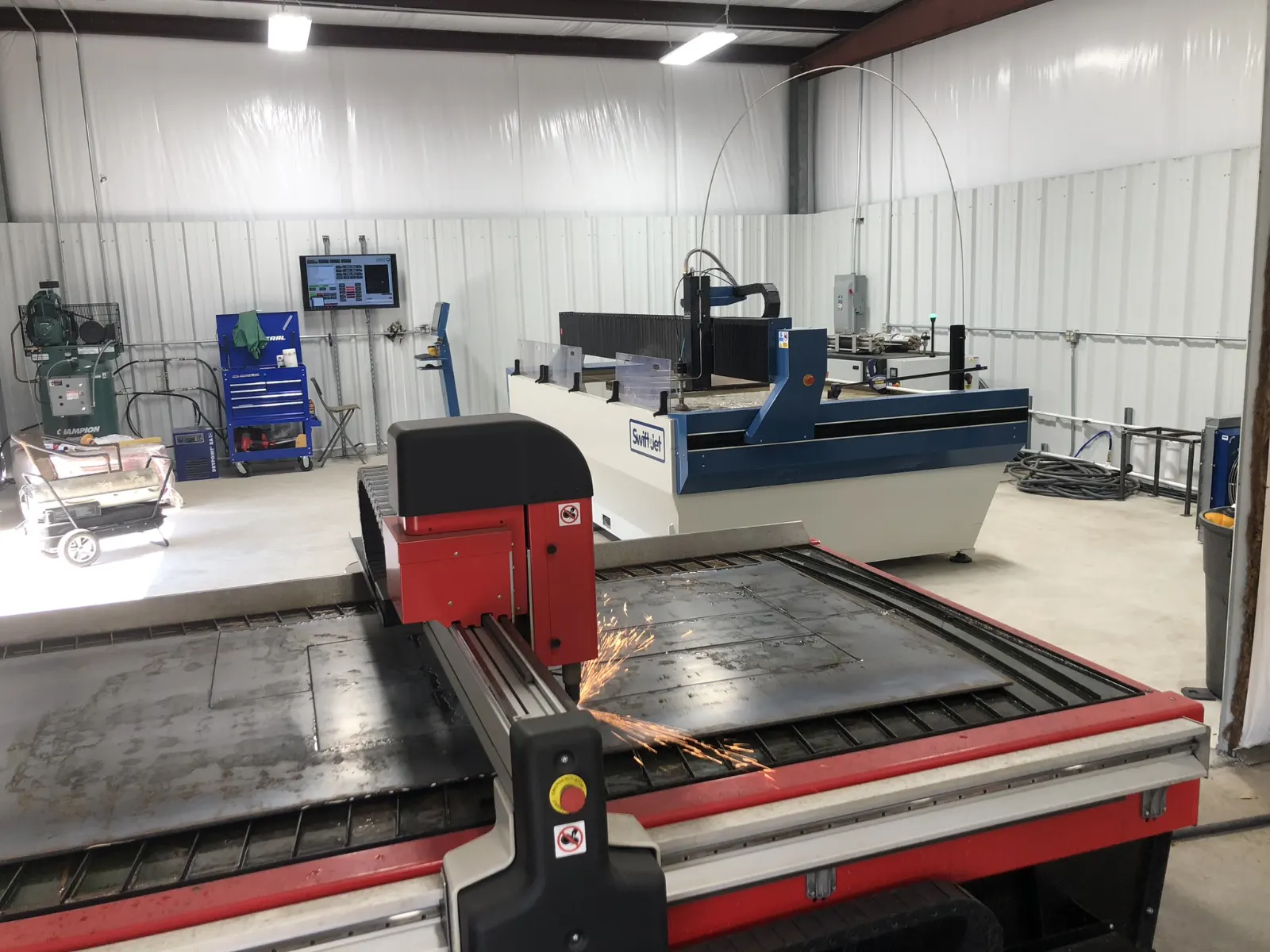
1. Bring the Right Kind of Metal for the Job
Plasma cutting works best on conductive metals. Mild steel like A36, stainless steel, and aluminum all cut cleanly on a CNC plasma table. Heavily rusted, painted, or oily plate is a different story: surface contamination can cause an uneven cut, torch issues, and a ragged edge that takes extra grinding and finishing to clean up.
Before you bring material in, knock off loose rust and scale with a wire brush or flap disc if you can. If the material is already in good shape, say so up front. If you are unsure whether what you have is usable, bring it by the shop at 4209 Flowers Rd in Florence and we will look at it with you.
2. Know Your Material Thickness Before You Call
Plasma cutting has practical thickness limits, and the sweet spot depends on the metal. Thin gauge sheet cuts fast and clean. Thicker plate still cuts, but the edge quality changes and the job takes longer. Knowing your thickness ahead of time saves a phone call and helps us tell you right away whether plasma is the right process.
If you do not know the thickness, measure it with calipers or check the mill stamp on the plate edge. Even a rough measurement like "about a quarter inch steel plate" gives us enough to point you in the right direction. For jobs where the edge must be picture-perfect, we may suggest waterjet cutting instead, which we also do in house.
3. Have Your Drawings or Dimensions Ready
A CNC plasma table follows a program, and the program starts with your part shape. A sketch with clear measurements works. A DXF or CAD file works even better, because it can go straight to the table with less chance of a transcription error.
When you write dimensions, be specific about what they mean: inside radius or outside, hole center to hole center or edge to edge. If your part has to mate with something existing, bring that piece or its measurements too. Fabrication drawings do not have to be professional. They just have to leave no room for guessing. We can help you tighten up a sketch before cutting starts.
4. Decide What Happens to the Cut Edge
A plasma cut leaves a heat-affected zone and an edge that typically needs some cleanup. Whether that edge stays as-is, gets ground smooth, or gets prepped for powder coat changes what we do after the torch finishes.
Tell us the end use. A bracket that gets welded inside a gate needs less finishing than a decorative panel people will touch. If the part will be painted or powder coated, powder coat prep and grinding become part of the job and it is cheaper to plan for that from the start than to add it later. Deciding the finish before cutting also affects tolerances, so this one question shapes the whole job.
5. Check Your Fit-Up and Tolerances Early
Parts that must fit together with other pieces need tolerances agreed on before the first cut. Plasma cutting holds tight tolerances on thinner material, and kerf width matters: the torch removes a small strip of metal with every cut, and the program has to account for it.
If your part slots into existing steel, tell us the fit you need. A slip fit, a press fit, and a weld-prep fit are all different, and cutting to the wrong one means rework. Fit-up and tacking go much smoother when the cut parts were planned for it. Bring the mating part to the shop if you can, and we will confirm the fit before the job leaves the table.
6. Plan How the Cut Parts Will Be Used
We cut a lot more than flat brackets in Florence. Farmers bring in wear parts and equipment repairs. Contractors bring base plates and gussets. Fabricators bring sign blanks and machine parts. Knowing what the finished part does helps us catch problems early.
If a cut part will later be bent on the press brake, rolled, or welded, say so. A part headed for bending needs to be cut with bend reliefs and grain direction in mind. A part headed for welding benefits from clean edges and correct hole placement the first time. One sentence about the end use at the start can save a whole redo.
7. Use This Pre-Job Checklist
Before you call or come by, run through this short checklist. If you can check every box, your job is ready to program and cut:
- Material type identified: steel, stainless, or aluminum
- Thickness measured or estimated
- Drawing, DXF file, or clear sketch with dimensions written down
- Tolerances and fits stated for any mating parts
- Edge finish and end use decided
- Quantity confirmed, and any pieces you need extra of noted
Anything you cannot check is fine. That is exactly what the first conversation is for. Bring what you have and we will fill in the gaps together.
When to call a pro
Some jobs are simple enough to describe over the phone and cut the same week. Others need a real conversation: thick plate, parts that must fit existing equipment, projects that combine plasma cutting with press brake forming, plate rolling, or welding in steel, aluminum, or stainless. That is where a shop that does the whole job in house earns its keep.
Lawhon Welding & Fabrication has run plasma CNC cutting and custom metal fabrication in Florence, SC since 2000, serving contractors, farms, and businesses across the Pee Dee region, from Darlington and Hartsville to Sumter. Call (854) 400-5355 or stop by the shop on Flowers Rd with your sketch or part. You can also read more on our Plasma CNC Cutting service page to see what the process covers before you visit.
Ready to move forward? See our Plasma CNC Cutting service
Written by the Lawhon Welding & Fabrication team.
How to Prepare for Plasma CNC Cutting in Florence FAQs
What information should I bring for a plasma cutting job?
Bring the material or its type and thickness, a sketch or DXF file with dimensions, and a note about the end use. If the part has to fit existing equipment, bring measurements or the mating piece. With that, we can confirm the job and cut without back-and-forth delays.
Can plasma CNC cutting handle rusted or painted metal?
It can, but heavy rust, paint, or oil affects edge quality and slows the cut. A quick cleanup with a wire brush helps a lot. If the surface is badly compromised, we will let you know what to expect before cutting starts so there are no surprises on the finished edge.
Do I need a CAD file to get parts cut?
No. A clear hand sketch with accurate dimensions is enough for most jobs, and we can help you tighten it up. A DXF or CAD file simply speeds things up because it goes straight to the CNC table with less chance of a measurement error along the way.
How do I know whether plasma or waterjet cutting is right for my part?
Plasma is faster and well suited to most steel, stainless, and aluminum jobs where a clean, functional edge is the goal. Waterjet leaves no heat-affected zone and suits parts that need a pristine edge or very thick material. Tell us the part and end use and we will recommend the right process.
Still have questions? Contact Us